Source Portable Co2 Fractional Laser Machine for Salons
Find 30 portable co2 fractional laser machine options for salon and home use. Compare models with 60W power, CE RoHS FDA certifications, and 2-year warranties to identify suitable suppliers for pigment removal and pore treatment; compare the available evidence and request quotations based on your requirements.
Key considerations
Products List




Comprehensive Sourcing Guide
Portable CO2 Fractional Laser Machine Sourcing Guide
Procurement of portable fractional CO2 laser equipment requires distinguishing between units designed for salon mobility and those intended for fixed clinical installation. The observed market data indicates a clear divergence in product attributes, with some listings explicitly marked as portable while others are designated as non-portable despite similar core technologies. Buyers must scrutinize the "Portable" attribute and physical dimensions to ensure the equipment matches their operational environment, as the standard packaging and weight specifications vary significantly between models like the FA01 and the Z190.
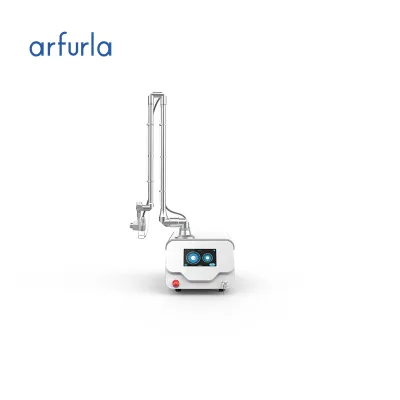
The application scope for these devices primarily targets salon environments, though some specifications suggest suitability for home use as well. When evaluating listings, verify that the stated application aligns with your intended business model, as the power output and cooling systems differ based on usage intensity. The presence of features like pigment removal and blood vessel treatment confirms the device's versatility, but the specific configuration of the light guide system, such as the seven articulated arms found in certain models, dictates the ease of use in a mobile setting versus a stationary clinic.
Product Scope and Observed Listing Signals
Buyers should first analyze the physical footprint and packaging standards to confirm the true portability of the unit. Observed dimensions range from compact configurations like 51x61x126cm to larger industrial sizes such as 122x93x60cm, with weights varying from 77kg to unspecified heavier loads. The packaging method, whether full foam with an aluminum box or shockproof foam within an OEM carton, serves as a proxy for the manufacturer's confidence in the unit's durability during transit. Selecting a model with aviation aluminum box packaging often indicates a higher priority on protection for mobile operations.
The listing signals also reveal significant variation in the laser source and wavelength specifications, which directly impact treatment efficacy. While the core technology is consistently identified as a laser operating at 10600nm or 10.6μm, the power source may be an RF tube, and the output power can range from 60W to 450VA depending on the model. Prospective buyers must cross-reference the listed power output with the intended treatment depth, as higher wattage units like the BR314 may offer faster treatment times but require more robust cooling systems and electrical infrastructure than the 60W portable variants.
Technical Specifications to Verify
Verification of the laser wavelength and pulse width is critical for ensuring the device meets clinical standards for fractional resurfacing. The supplied data confirms a standard wavelength of 10600nm, but the pulse width capabilities vary widely, ranging from 0.1ms to 100ms in some models and 0.02s to 0.99s in others. Buyers must confirm that the specific model supports the pulse durations required for their target skin conditions, as the ability to adjust focus spot diameter and pulse width is essential for treating diverse issues like pore reduction and pigment removal effectively.
The cooling system and operating temperature range are equally vital technical parameters that determine the machine's reliability during extended use. Most observed units utilize a combined air and water cooling system, which is necessary to maintain the laser tube's integrity at high power outputs. Additionally, the operating temperature range of 0°C to 40°C defines the environmental limits within which the device can function safely. Procurement teams should verify that the specific model's cooling capacity matches the expected daily treatment volume to prevent overheating and ensure consistent performance in varying salon climates.
Compliance and Safety Documentation
Ensuring that the equipment holds valid certifications is a non-negotiable step in the procurement process for medical-grade laser devices. The observed listings frequently cite CE, RoHS, and FDA certifications, which indicate compliance with international safety and environmental standards. However, buyers must request current, verifiable documentation for each specific model rather than relying on general claims, as certification status can vary between different product lines from the same manufacturer. Validating these documents protects the buyer from liability and ensures the device can be legally operated in their jurisdiction.
Safety features such as the aim laser and divergence angle specifications must be reviewed to confirm user protection during operation. The presence of a 650nm aim laser is a standard safety feature that allows for precise targeting of the treatment area, while the divergence angle of 4mrad influences the beam's spread and focus. Buyers should verify that the safety interlocks and emergency stop mechanisms are integrated into the design, as these features are essential for preventing accidental exposure to the high-energy laser beam during clinical procedures.
Cost Drivers and Commercial Terms
The price range observed in the market, spanning from 1100 to 11000 USD, reflects significant differences in power output, cooling technology, and included accessories. Higher-priced units typically feature advanced cooling systems, larger screens, and more robust power supplies, such as the 450VA input power seen in industrial models. Buyers should align their budget with the specific technical requirements of their practice, understanding that a lower-cost unit may lack the durability or treatment capabilities needed for a high-volume salon environment.
Commercial terms regarding warranty and after-sales support are critical factors that influence the total cost of ownership. The standard warranty period observed is two years, often accompanied by free spare parts and online video technical support. However, the scope of these services can vary, and buyers should clarify the response time for technical issues and the availability of replacement parts before finalizing the purchase. A comprehensive support package can significantly reduce downtime and maintenance costs, making it a key component of the overall value proposition.
Supplier Qualification and Quality Control
Supplier qualification should focus on the manufacturer's location and their track record in producing laser beauty equipment. The majority of observed products originate from Guangdong, China, a region known for its concentration of medical device manufacturers. Buyers should verify the supplier's production capacity and quality control processes, as the consistency of the laser tube and the precision of the optical components are vital for long-term performance. Requesting factory audit reports or video tours can provide insight into the manufacturing standards and the rigor of their quality assurance protocols.
Quality control extends to the packaging and shipping standards, which must ensure the equipment arrives without damage. The observed packaging methods, including full foam, aluminum boxes, and shockproof cartons, are designed to protect sensitive optical components during transit. Buyers should confirm that the supplier uses appropriate packaging for the specific weight and dimensions of the unit, as improper packing can lead to misalignment of the laser system or damage to the articulated arms. Verifying the shipping insurance and handling procedures is also essential to mitigate risks associated with international logistics.
Long-Term Procurement Checks
Establishing a clear protocol for ongoing maintenance and spare part availability is essential for the longevity of the laser equipment. The two-year warranty period provides a baseline for support, but buyers should negotiate extended service agreements or maintenance contracts to cover the device's operational life beyond the initial warranty. Ensuring a steady supply of consumables, such as laser tubes or cooling fluids, is crucial to prevent operational interruptions. Buyers should verify the supplier's inventory levels and lead times for critical components to avoid delays in service.
Regular performance verification and calibration checks should be integrated into the salon's operational routine to maintain treatment efficacy. The observed specifications, such as the 12.1-inch screen and adjustable pulse widths, require periodic calibration to ensure accuracy. Buyers should request detailed maintenance manuals and training sessions from the supplier to empower their staff to perform routine checks and identify potential issues early. This proactive approach to equipment management helps maintain high treatment standards and protects the investment in the laser technology.
FAQs
What is the laser wavelength of the portable fractional CO2 machine?
The device operates at a wavelength of 10600nm, which is standard for fractional CO2 laser beauty equipment. This specific wavelength targets skin layers effectively for pigment removal and pore reduction. It is designed for use in salon environments to deliver precise treatments while maintaining safety standards for professional aesthetic procedures.
Can the portable CO2 laser machine be customized for specific needs?
Yes, customization is available for this portable fractional CO2 laser machine. Buyers can request specific packaging options, such as aviation aluminum boxes or shockproof foam cartons. The system supports OEM branding and allows for tailored specifications to meet distinct operational requirements in professional beauty and medical settings.
What after-sales support is provided for the fractional CO2 laser?
Comprehensive after-sales service is provided, including free spare parts, online support, and video technical assistance. The equipment comes with a two-year warranty to ensure long-term reliability. This support structure helps salon owners maintain their devices efficiently without needing immediate physical technician visits for minor troubleshooting or part replacements.
What are the power and voltage specifications for this laser device?
The machine features an output power of 60W and an input power of 450VA. It operates on AC 220V or 110V voltage, making it versatile for different regional electrical standards. The system uses an air and water cooling mechanism to maintain optimal performance during extended treatment sessions in professional environments.
What certifications does the portable CO2 laser machine hold?
The device holds CE, RoHS, and FDA certifications, ensuring compliance with international safety and quality standards. These credentials verify that the equipment meets rigorous regulatory requirements for medical and beauty devices. Buyers can trust the product's safety profile for use in professional salons and clinical settings across various global markets.
How is the portable fractional CO2 laser machine packaged for shipping?
Packaging options include full foam with an aluminum box, shockproof foam with OEM cartons, or aviation aluminum box packaging. Standard dimensions vary, with some units measuring 75x42x45cm or 116x56x47cm. This robust packaging protects the sensitive laser components during transit, ensuring the device arrives in perfect working condition for immediate use.